New Zealand
26 February 2026
We arrived this morning at, or in, Bay of Islands, New Zealand. It’s a bay larger than San Francisco Bay, with 140+ islands. Quite beautiful. The ship anchored far out in the shallow bay, and tender boats carried about 3000 of us to the mainland, 100 people at a time.
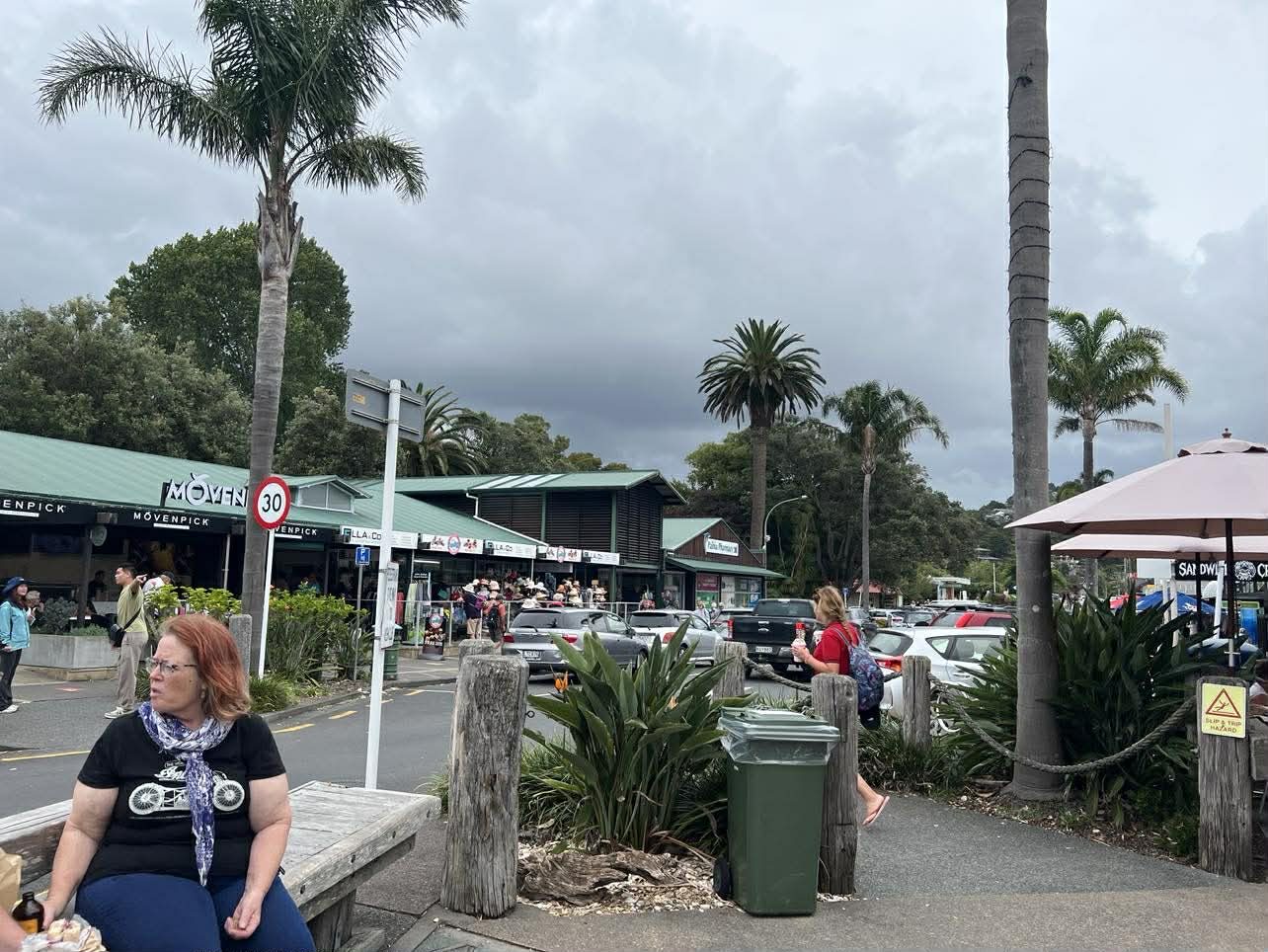
I knew in advance that we would be set ashore about 1.5 mile/2.4 km from the small town of Paihia. Don’t ask us how to pronounce it. We spent the day there and still don’t know. We don’t have any New Zealand money, of course, but I had researched and knew that the local taxis take credit cards. Luckily, the town had several free shuttle buses running, carrying people from the wharf to the town. They know the value of tourist dollars in Paihia!
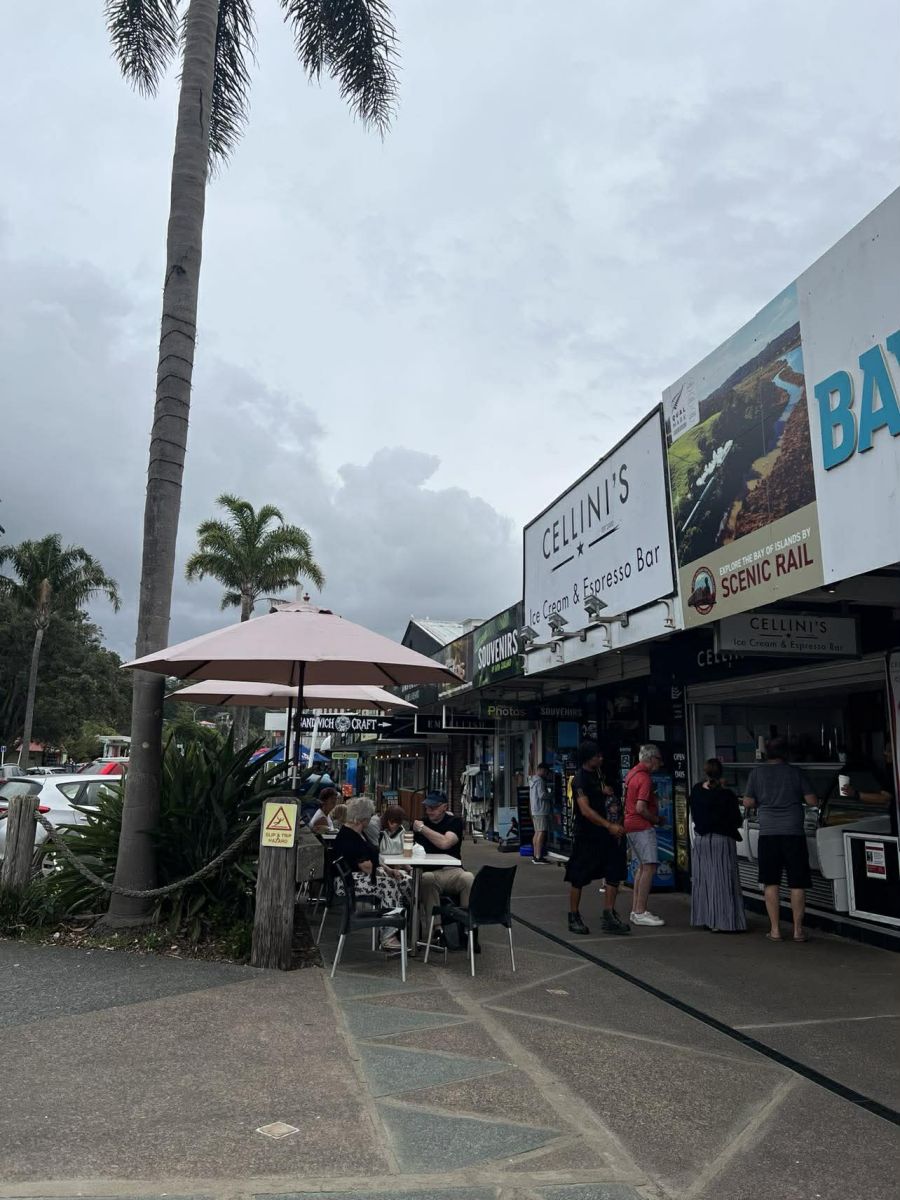
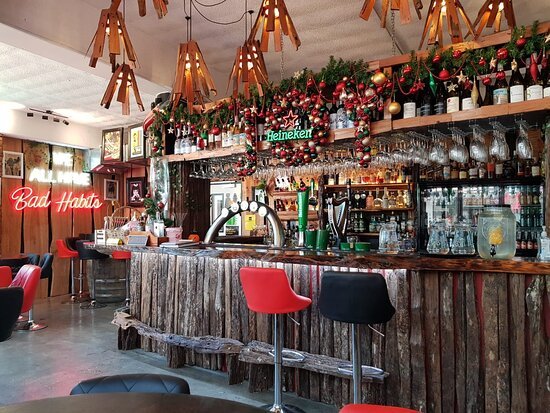
It’s a small town. The commercial district was a few blocks, but was packed with restaurants and shops. We liked it. We found a great restaurant called Bad Habits. They had a big display case full of very thick, juicy-looking tomahawk steaks, though, unfortunately, we weren’t in the mood for a meal that big.
Paihia is the first place I’ve ever been that has free community WiFi. I logged onto it at the restaurant and was still connected with a strong signal anywhere we walked in town. I’m hoping this will eventually become universal. Such a pain to go to a restaurant and have to ask for the WiFi password, which is always ridiculously long and cumbersome to enter.
After lunch, Linda had some shopping to do, so David and I looked for a park bench and enjoyed some people watching, followed by a visit to the ice cream store, then back to the ship for a nap! We enjoyed our day in Paihia and added it to the growing list of places we would love to live!
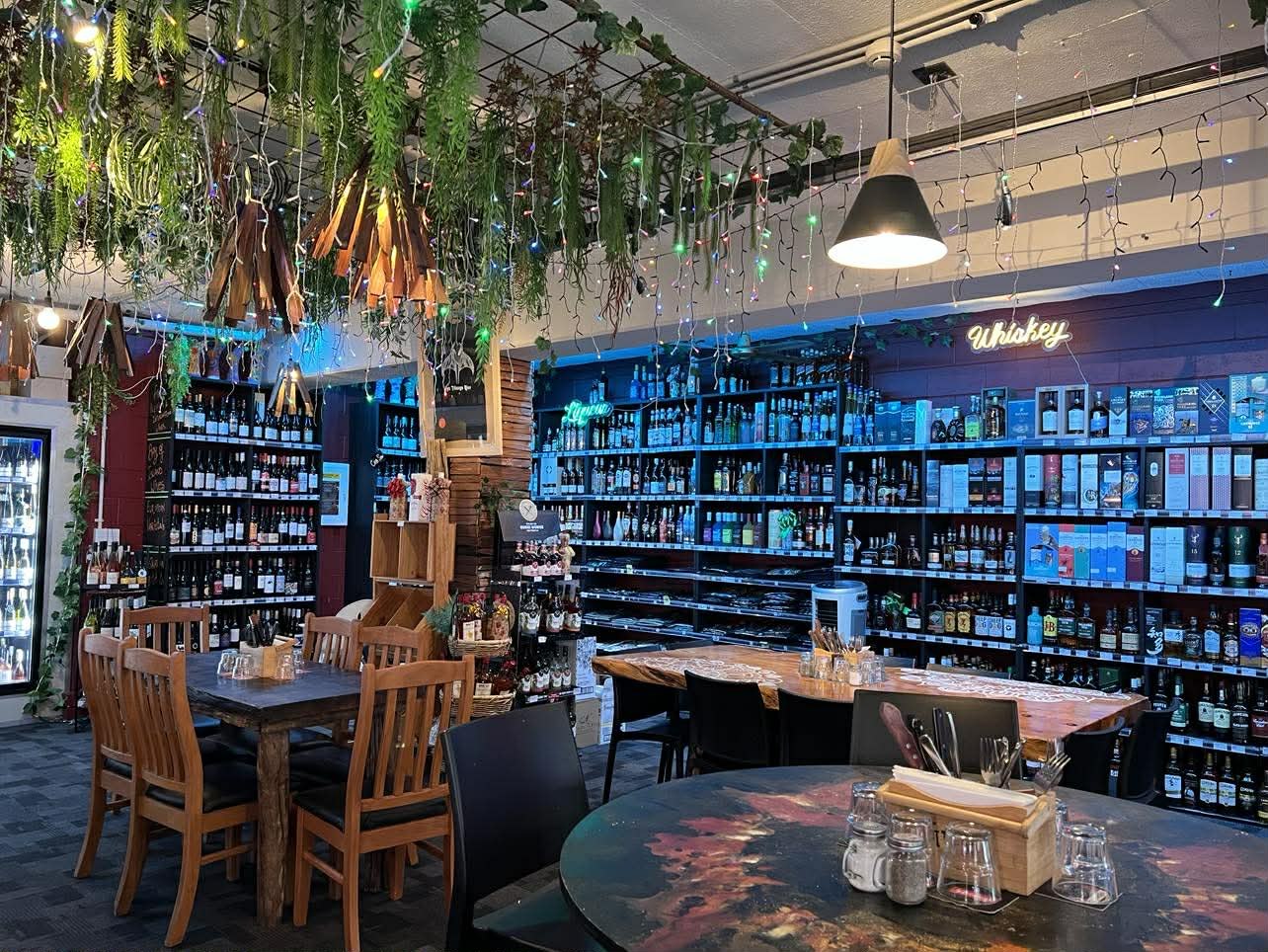
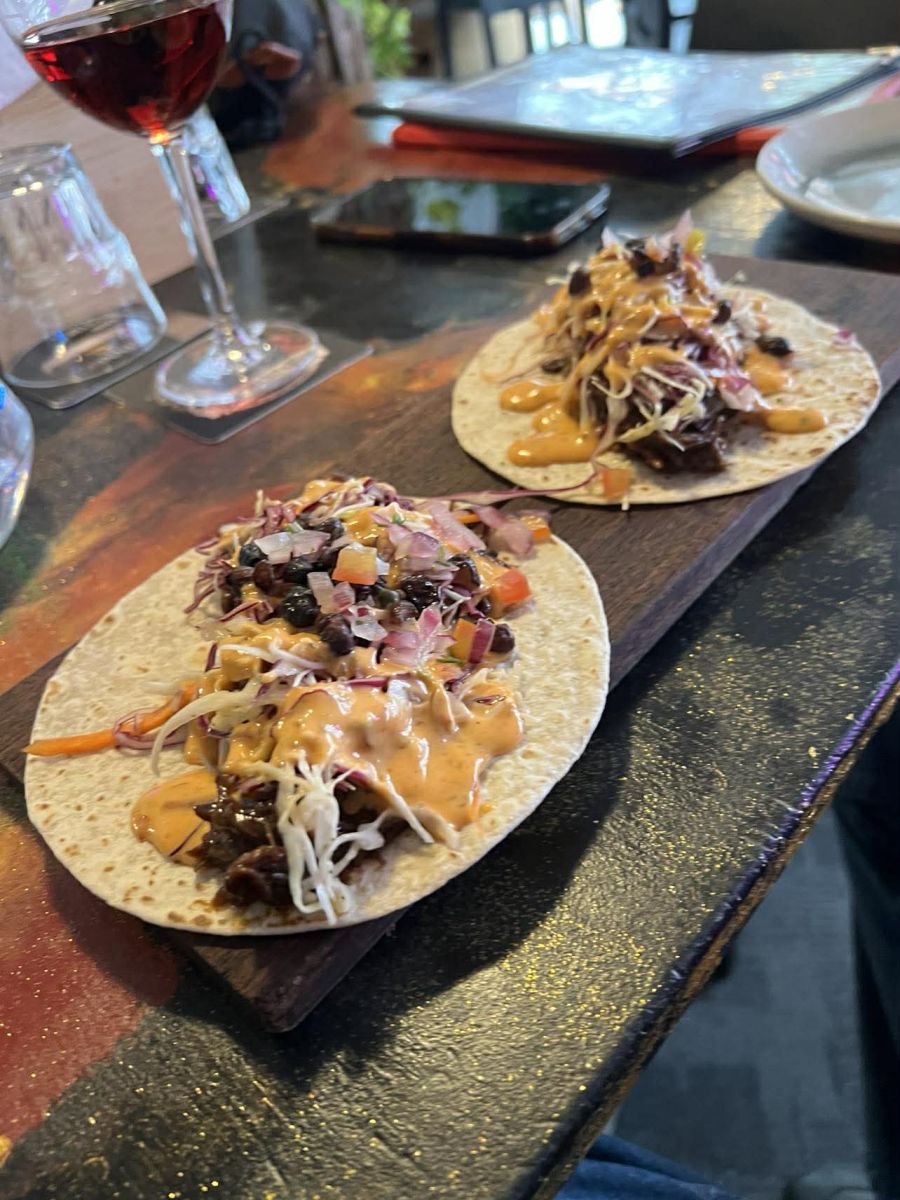
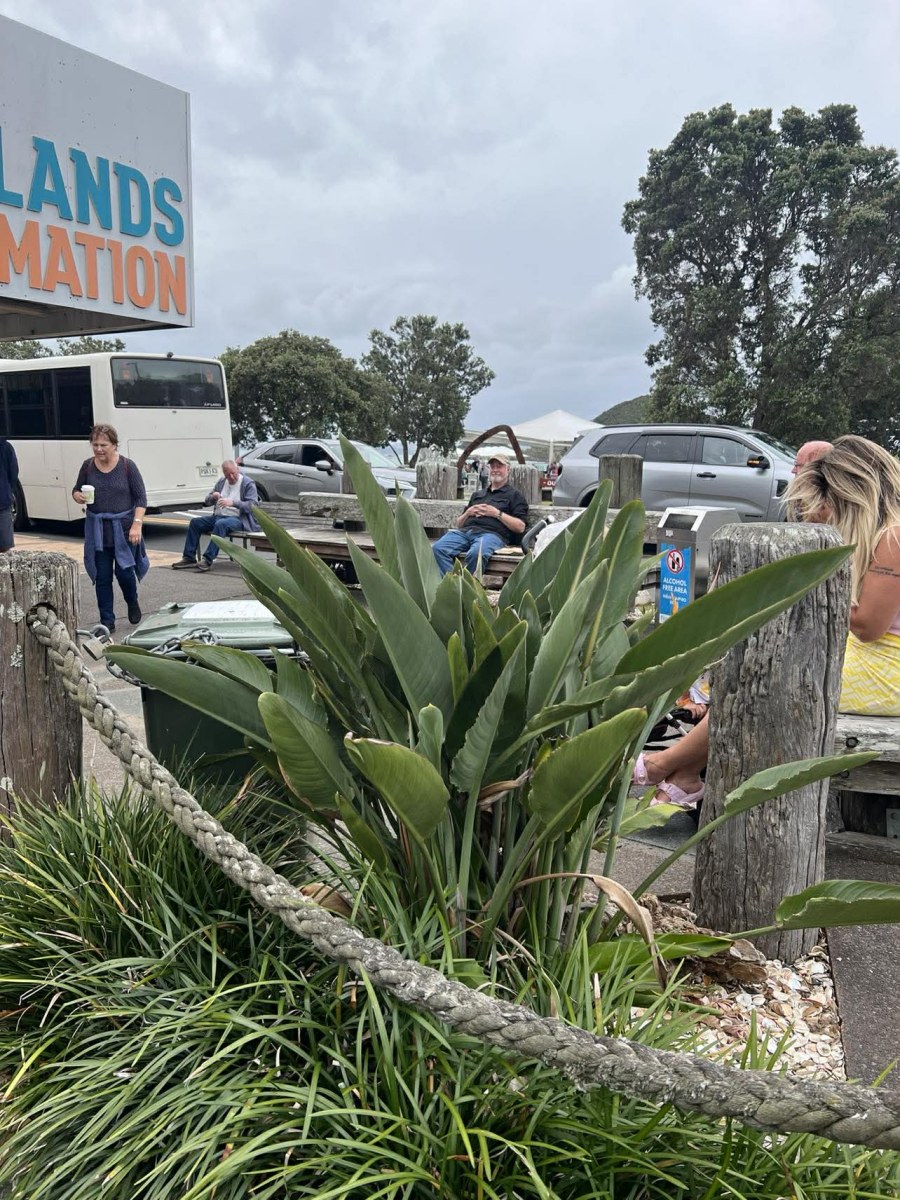
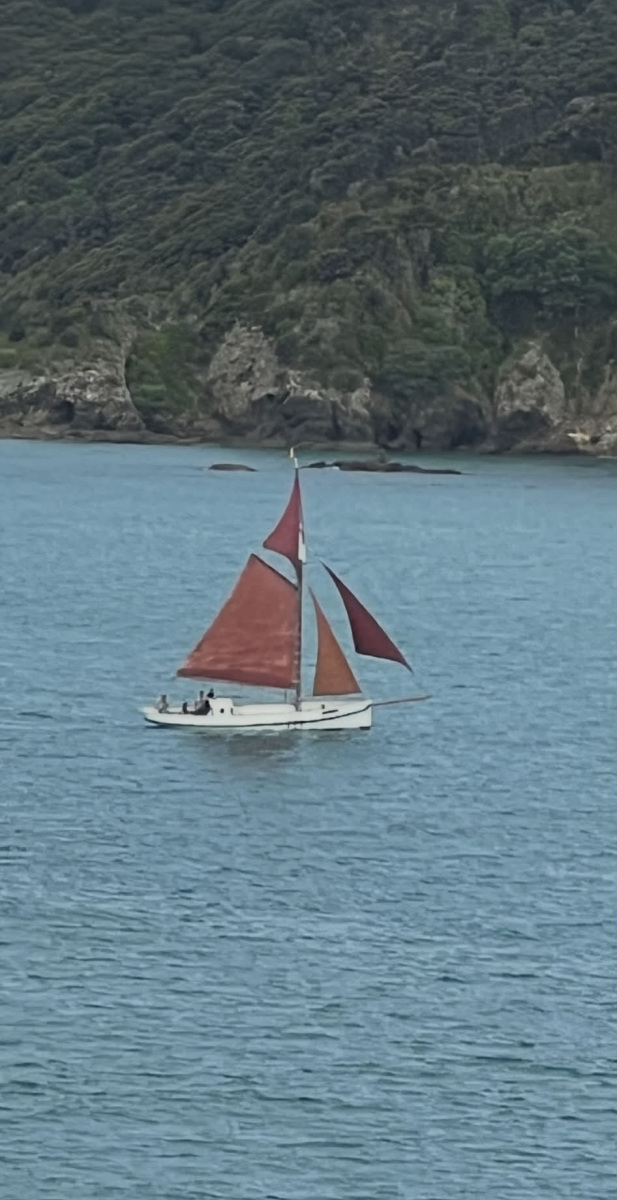
A look around Paihia Video
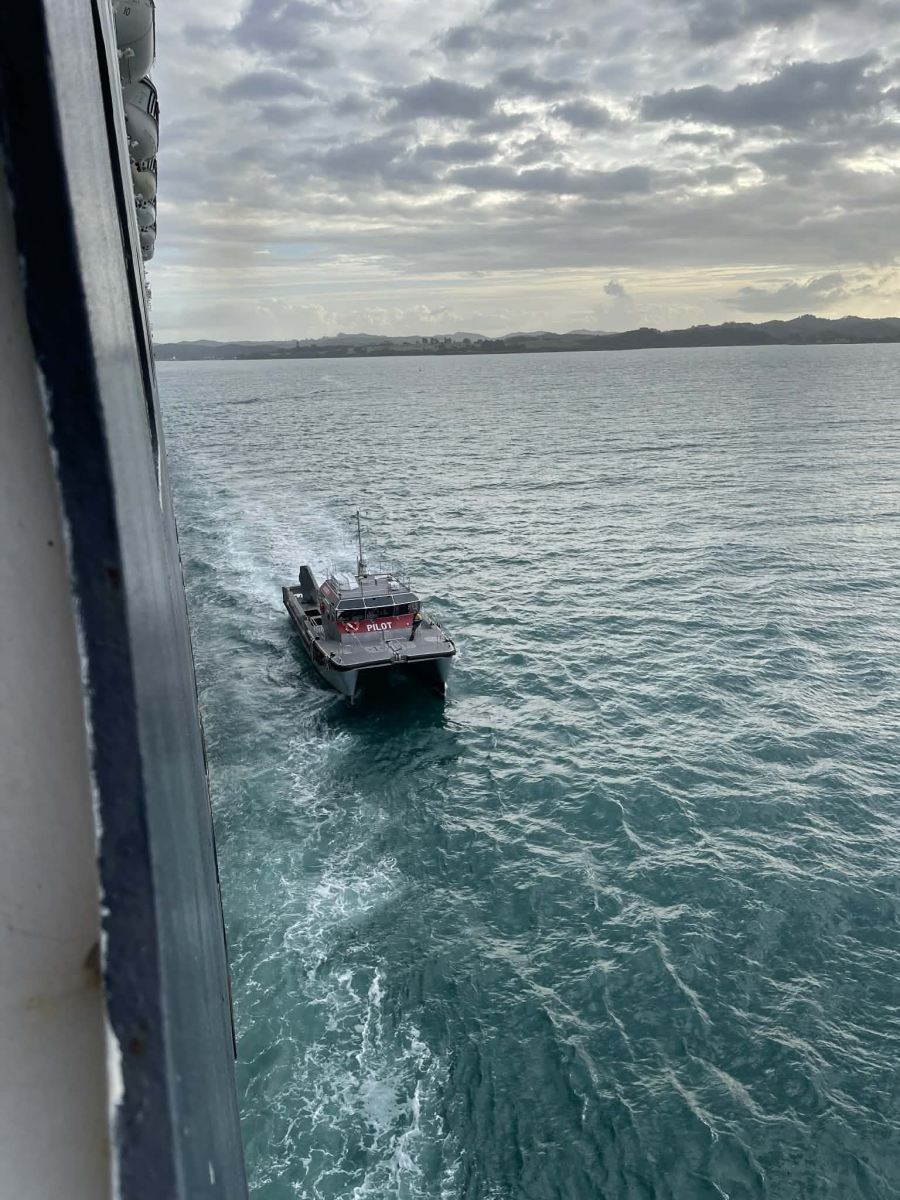
And here’s a video I made of what I see every time we leave a port we’ve visited. Before departure, a local pilot, familiar with the local waters, comes aboard the ship and takes over the helm, piloting the ship safely out to sea. Then a local boat comes up along our side, and “kisses” QM2, holding tight against our side as we steam along at speed. The local pilot climbs down a rope ladder and steps onto the deck of the local harbor ship, then away they go. It must be a fun job! One might think, in the day of GPS and well-marked harbors, that this is unnecessary, and perhaps it is, like the caboose they finally eliminated from American trains. But, converted to 2026 dollars, QM2 cost about $1.5 billion to build, and carries nearly 4000 people, including crew, so perhaps it’s better to be safe than sorry!
27 February, 2026
Auckland, New Zealand, surrounded by 48 extinct volcanoes. Need I say more? Well, of course I’ll say more! We opted for a hop on/hop off bus tour of Auckland, but it’s a city of 1.5 million people, and it took them 2 hours just to drive the route. We drove up and down San Francisco-sized hills that were once active volcanoes.
Auckland is a beautiful, clean, modern city. The ocean surrounding New Zealand keeps the temperatures moderate, so, though they are pretty far south toward the South Pole, they have palm trees and tropical plants. We agreed, though, that, like Honolulu, it’s too big to be a place we’d want to live.
It’s amazing how just sitting and looking can wear one out. After completing the bus loops through the city, we hopped off, found a good place to eat lunch, then headed back to the ship and nap time!
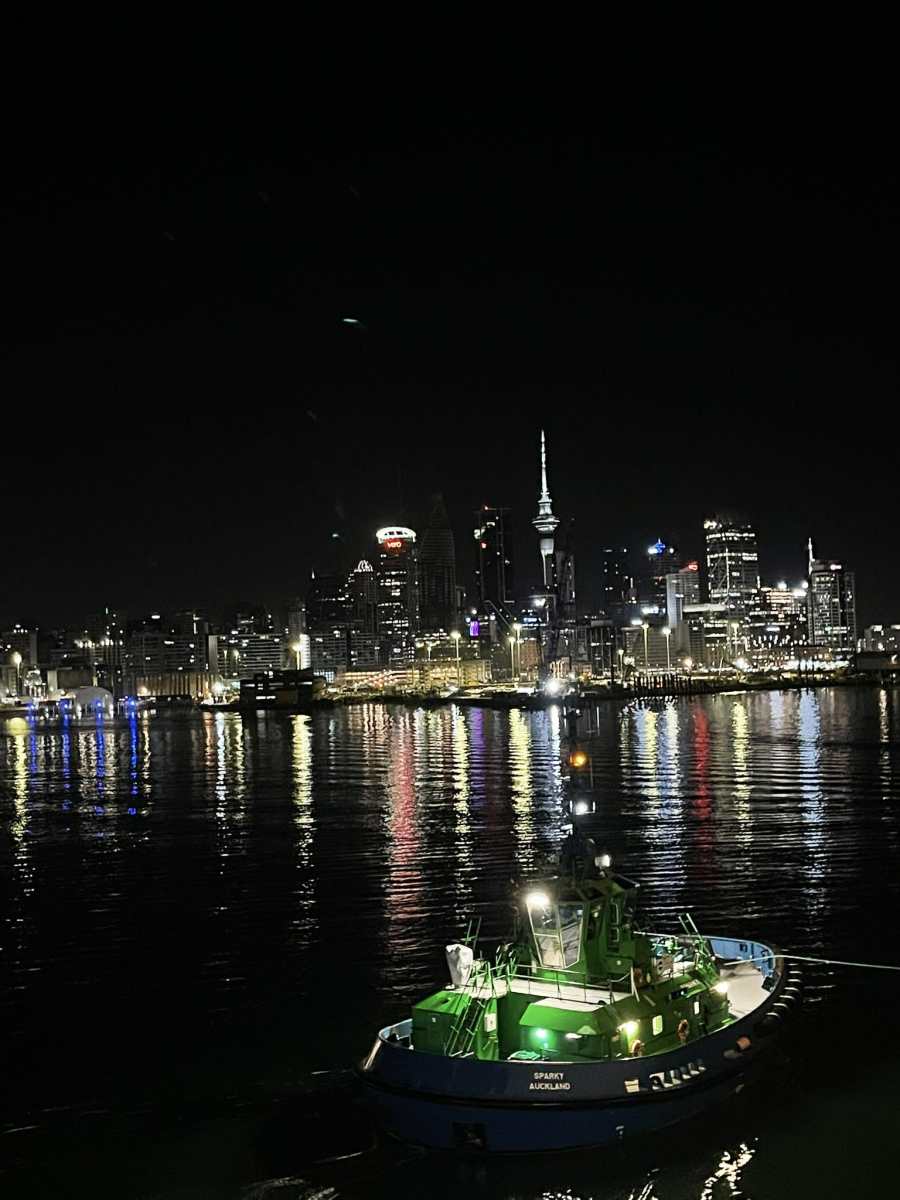
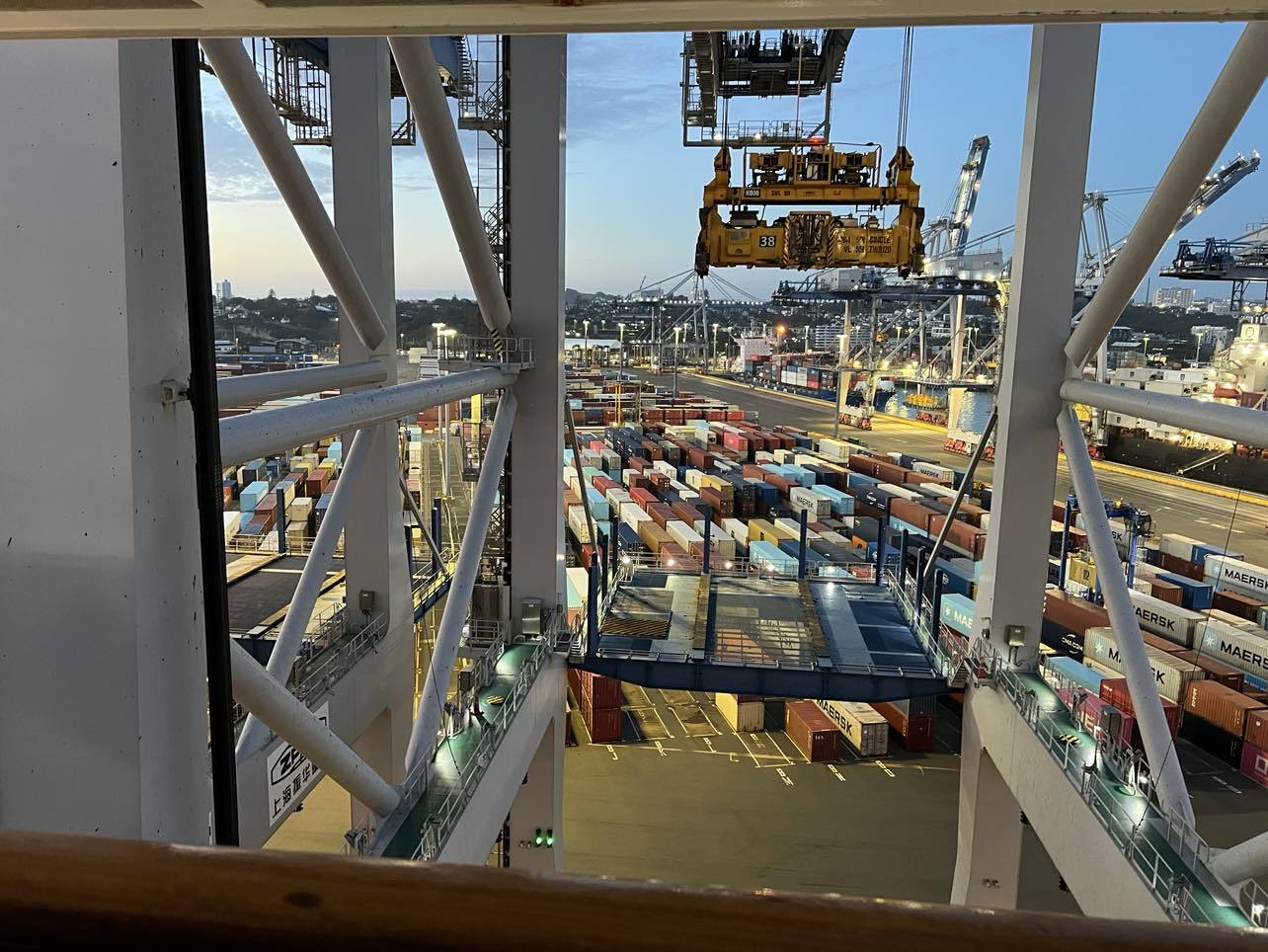
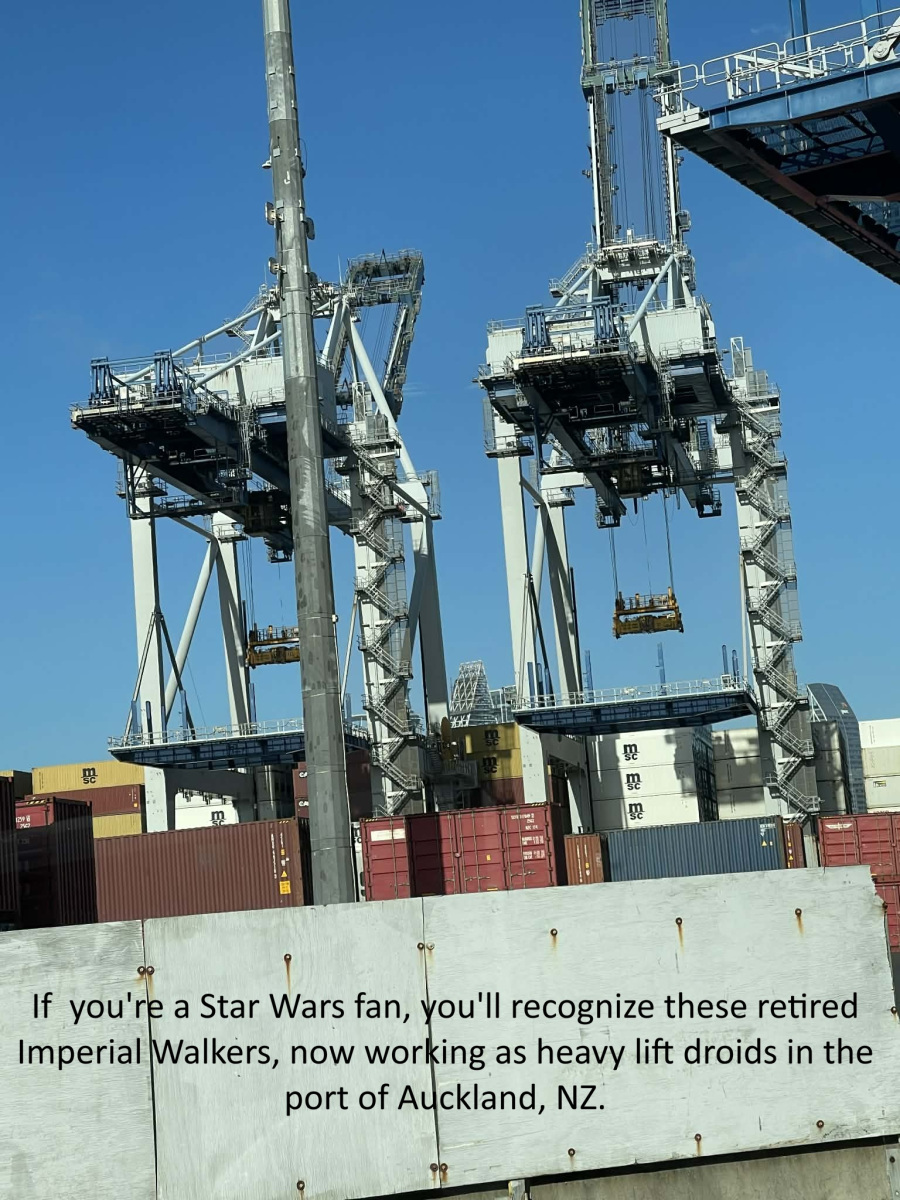
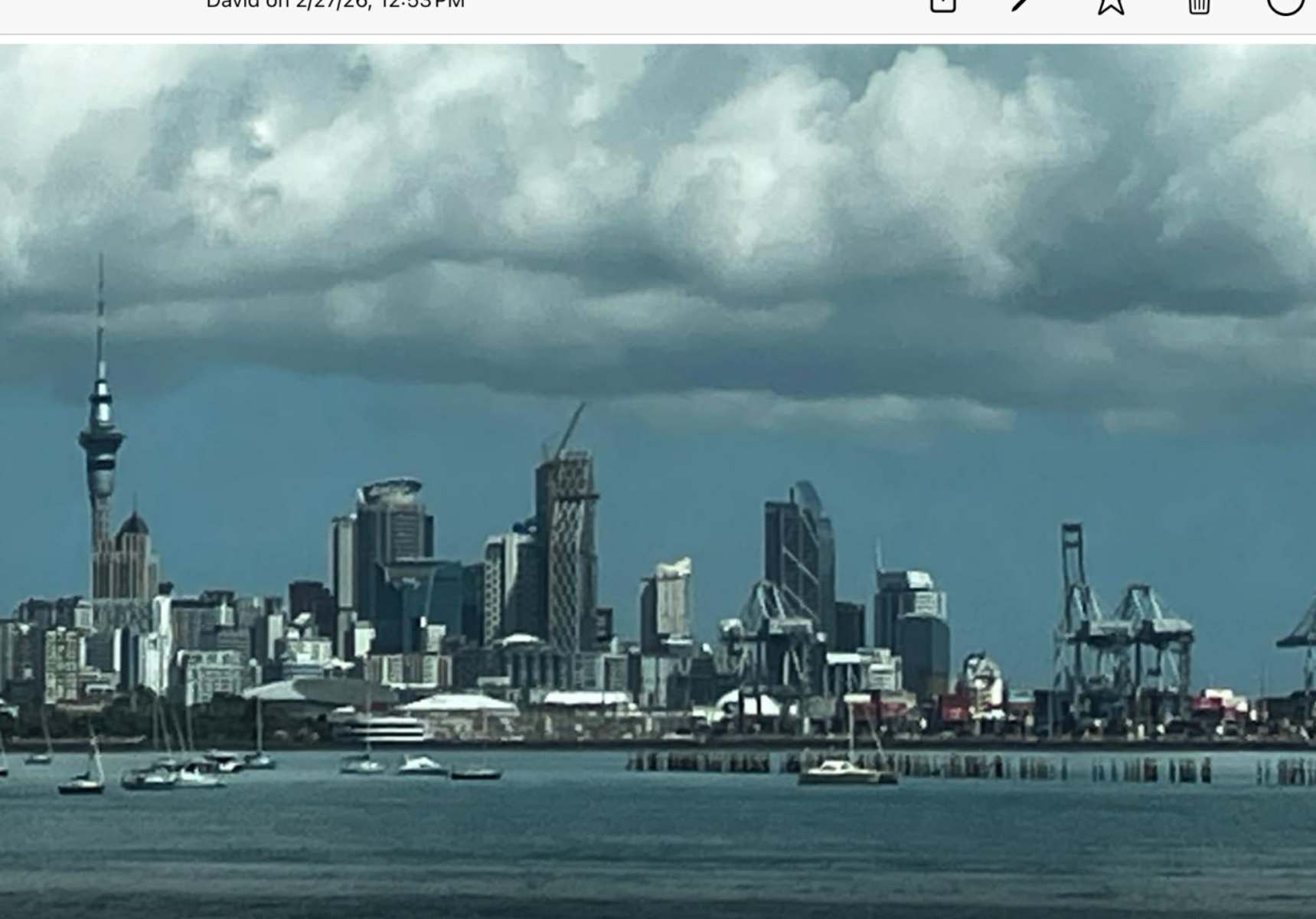
I’ve noticed, in every port city we’ve seen at night, that the port never sleeps. It’s an ant hill of activity all over the place, day and night, loading and unloading containers from ships and moving stuff around.
28 February 2026
Our final day in beautiful, friendly New Zealand. I regret that we didn’t get to see southern NZ, where the really big mountains and most beautiful scenery are, but we got a good taste of it. The locals are proud to let us know that, unlike Australia, which has seven of the most deadly snake types on earth, New Zealand has no native insects, spiders, or snakes that are deadly to humans. In fact, they say there were no 4-legged animals here until humans brought them, beginning about year 1300.
That’s why there are so many flightless birds here. With no natural enemies, they had no need to fly. There was a huge flightless bird here, like an ostrich only bigger, the Moa, standing around 10 feet tall, but when the humans came, the people ate them all.
One of my new hobbies is to look up about the rusty container ships that keep sailing by us as we sit docked in port. There are tracking websites that tell where each ship is headed, and in the last couple of days I’ve seen them carrying loads of goods to Fiji, Tahiti, and Ecuador. The islands have little manufacturing or natural resources, so almost every manmade thing you see arrived on a container ship, which is why everything is so expensive on the islands.
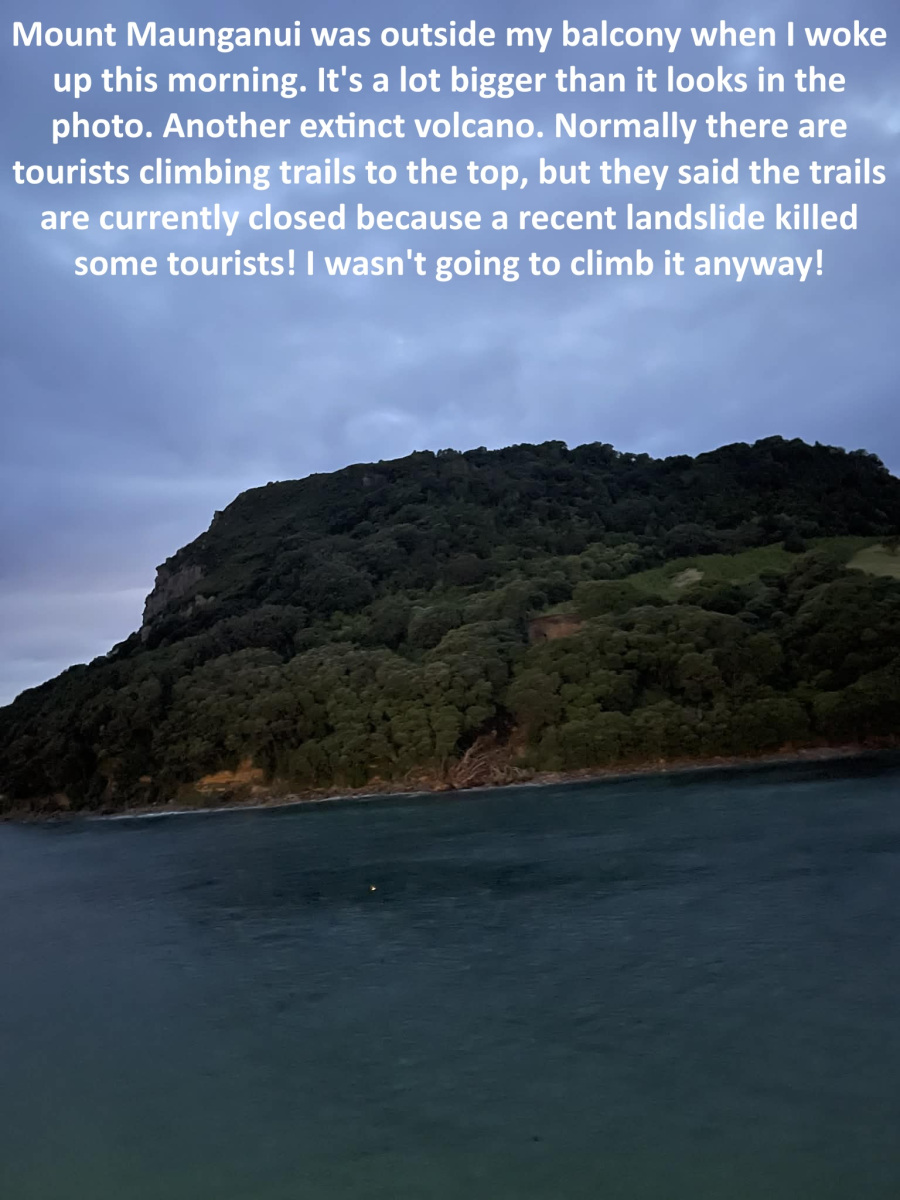
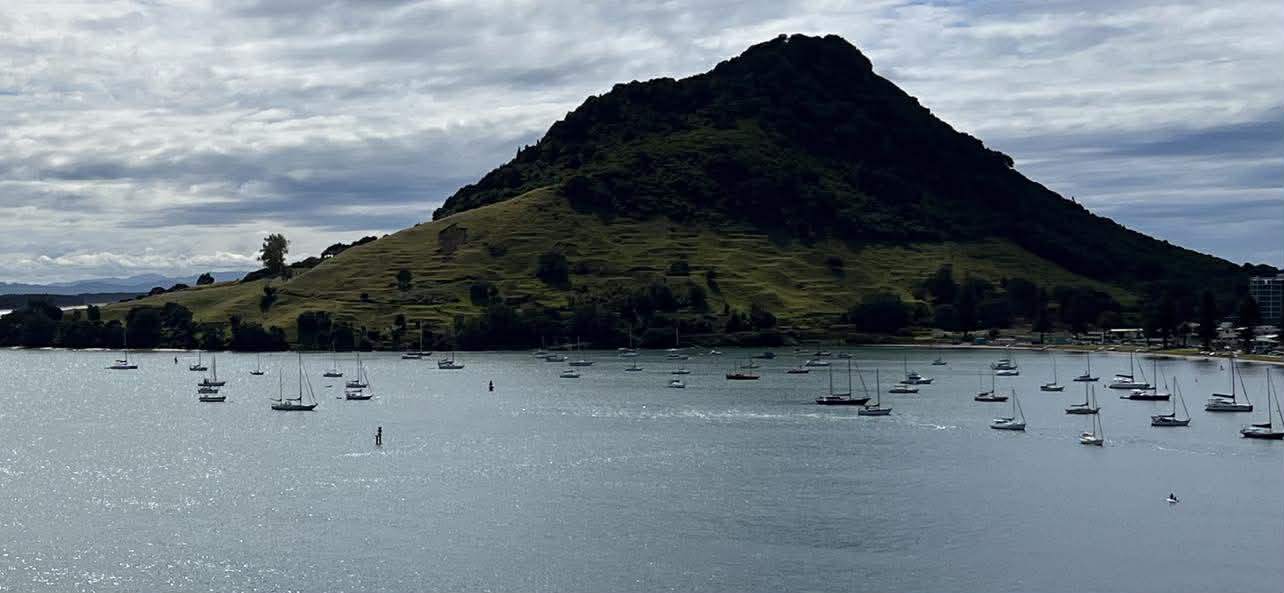
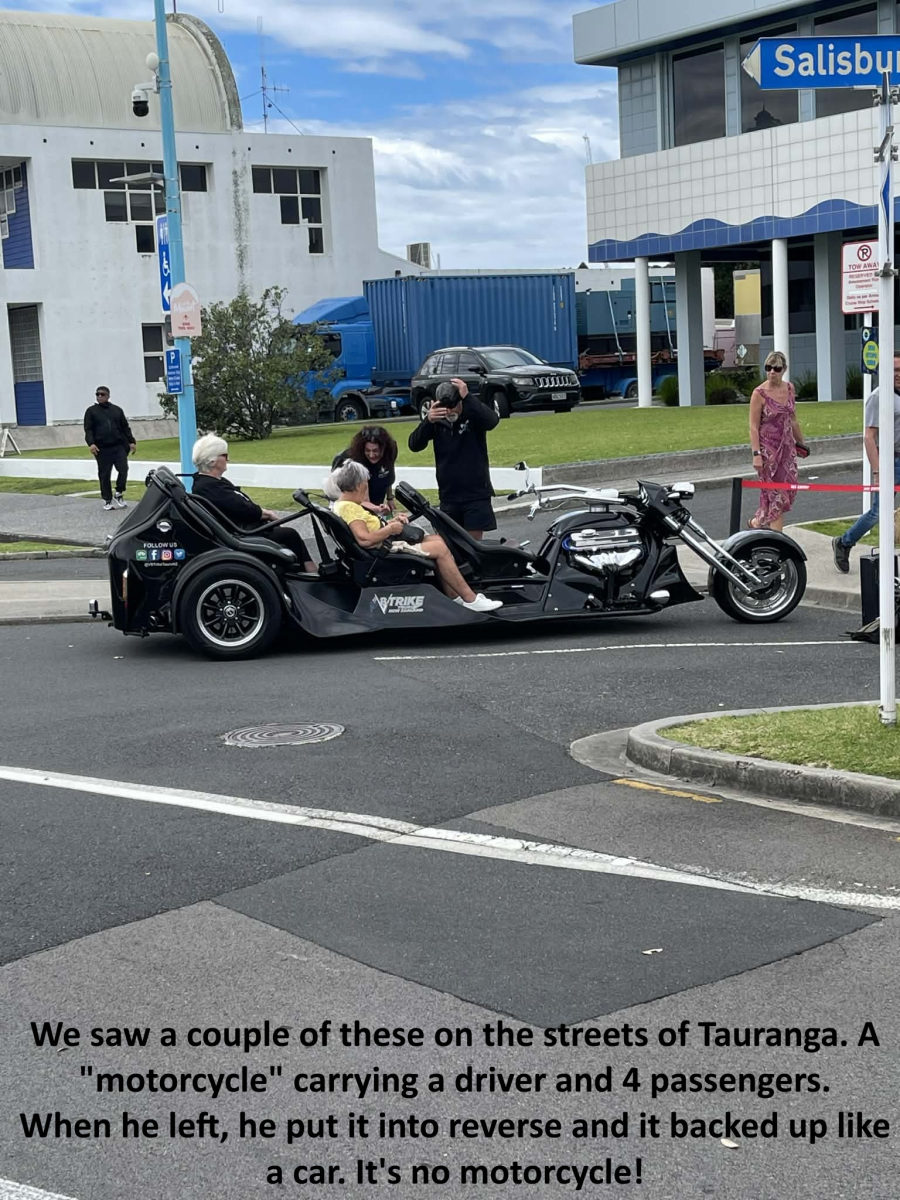
Today we’re docked right next to an extinct volcano in Tauranga, NZ, population 163,000. It was a “take it easy” day. We strolled off the ship at 10:30 into a cool but comfortable breeze and overcast skies, walked a couple of blocks to their version of “Rodeo Drive,” and David and I people-watched while Linda shopped. We had lunch of “crispy roast pork” at a Vietnamese restaurant, walked/shopped a little more, and were back on the ship by 1 p.m.
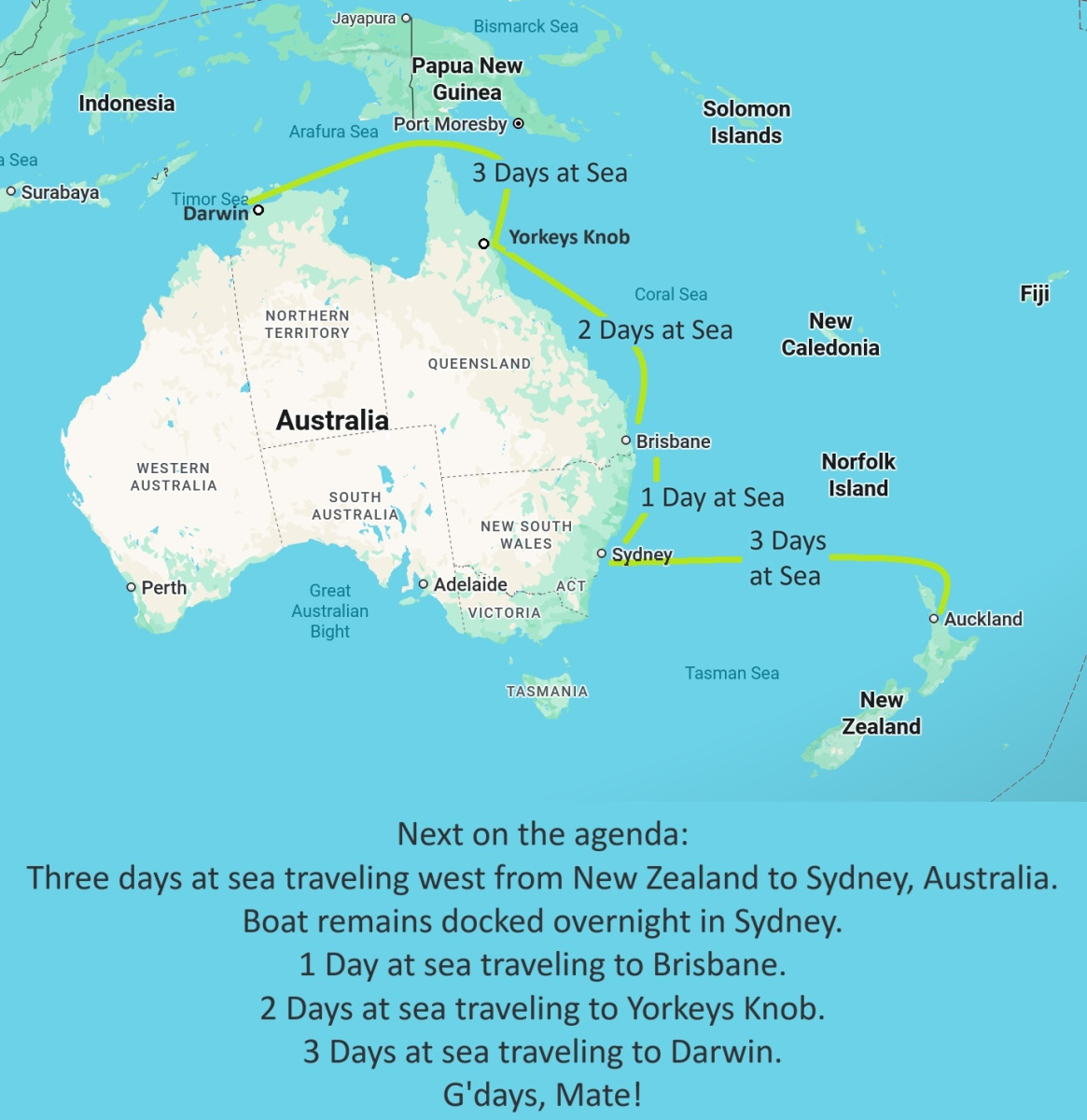
Now it’s 3 days at sea, headed for Sydney, Australia, another place where they drive on the wrong side of the road!